


It is hardly possible to find a person who is not familiar with back pain in the lumbar region.Most often, this trouble occurs after a person spends a lot of time in one position - for example, sitting.According to statistics, about 90% of all people periodically experience pain in the lumbar region.
The problem is faced by men and women, more often in middle and old age.Acute pain not only causes discomfort, but also leaves you unable to work for a long time.In some cases, a person cannot fully move and take care of himself.
In most cases, pain in the spine area is caused by inflammatory processes, less often by diseases of internal organs.Unpleasant sensations rarely go away on their own, so it is important not to miss the alarming symptoms and consult a doctor in time.Timely diagnosis will help to avoid serious complications in the future.
The structure of the middle region
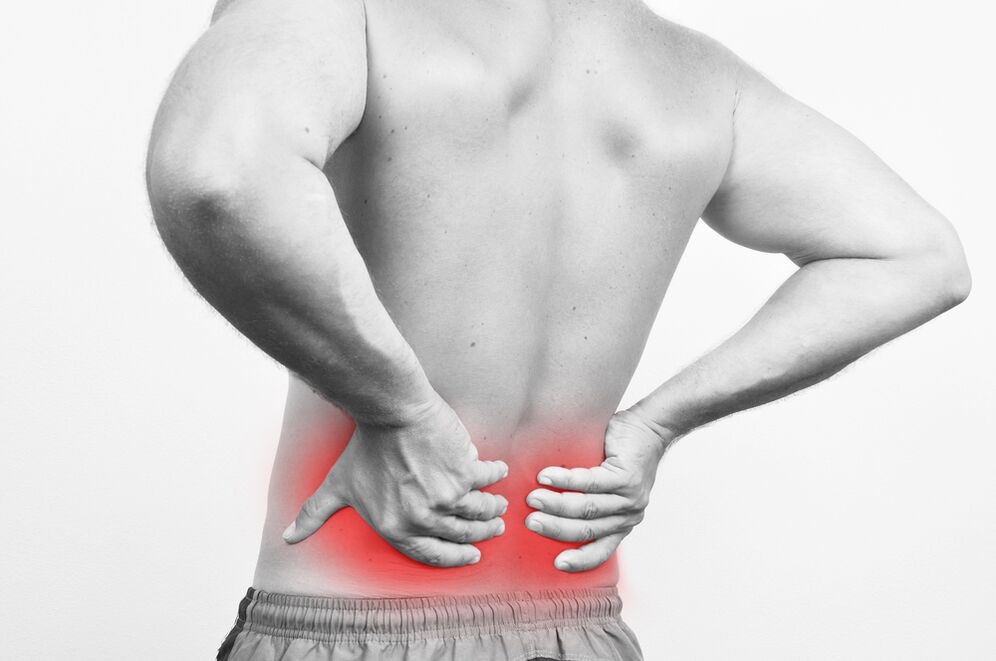
The lower back is part of the back wall of the abdomen.This is a fairly powerful and durable muscle plexus designed to protect the spinal cord from damage and injury.The lumbar region is involved in body movement during sports, sitting and walking.The upper border of the lumbar region is considered to be the edge of the rib bones, the lower border runs along the ridges of the iliac bones.
The components of the department are:
- Five beads;
- Bone structures;
- Ligaments and tendons;
- Muscle tissue;
- Joint capsule;
- Blood vessels.
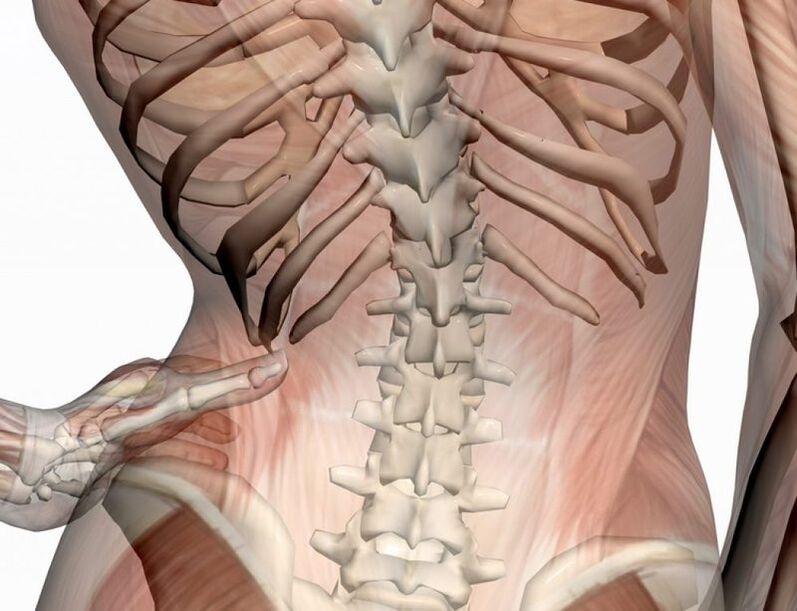
The spine is cushioned using intervertebral discs.The lumbar region is not only very strong, but also flexible - it offers the possibility of rotational movements, bending and stretching.The spinal cord inside the spine is protected by an arc of processes, the joints of which are responsible for directing movements.The muscles of this section ensure stable body position.
Possible foci of inflammation
Acute or periodic pain in the lower back can be the result of inflammatory processes of internal organs located in the retroperitoneal space.
In the sacrolumbar region, the following tissues and organs are susceptible to inflammation:
- Skin.Pain in the lumbar region can be caused by pathogens (streptococci, staphylococci).They penetrate the sebaceous and sweat glands, forming a focus of purulent-necrotic inflammation, which gradually spreads to the surrounding tissues (furunculosis).When several glands located next to each other are affected immediately, a carbuncle can be formed - a collection of lymphatic and inflamed cells, reaching a diameter of several centimeters.If, as a result of a wound or injury, streptococci penetrate under the skin, pyoderma is formed - painful ulcers form on the surface;
- Spine.Pain in the spine can be caused by non-infectious inflammation of the lumbosacral region and adjacent tissues.This disease is known as ankylosing spondylitis.In this case, the patient feels pain not only in the back, but also in the muscles.As the disease progresses, it deprives a person of the ability to move normally, and the pain spreads to the hip joints.Less often, inflammation of the spine can be a consequence of tuberculosis, brucellosis or osteomyelitis;
- Ligaments and muscles.With hypothermia, injuries or a sedentary lifestyle, back pain will be a consequence of inflammatory processes in muscle tissue and ligaments;
- Appendix.Often this organ is located behind the cecum;with appendicitis (inflammation of the appendix), a person, along with other symptoms, feels acute back pain in the lower back.
- Kidneys.One of the signs of inflammation of the renal pelvis is severe pain in the lumbar region.
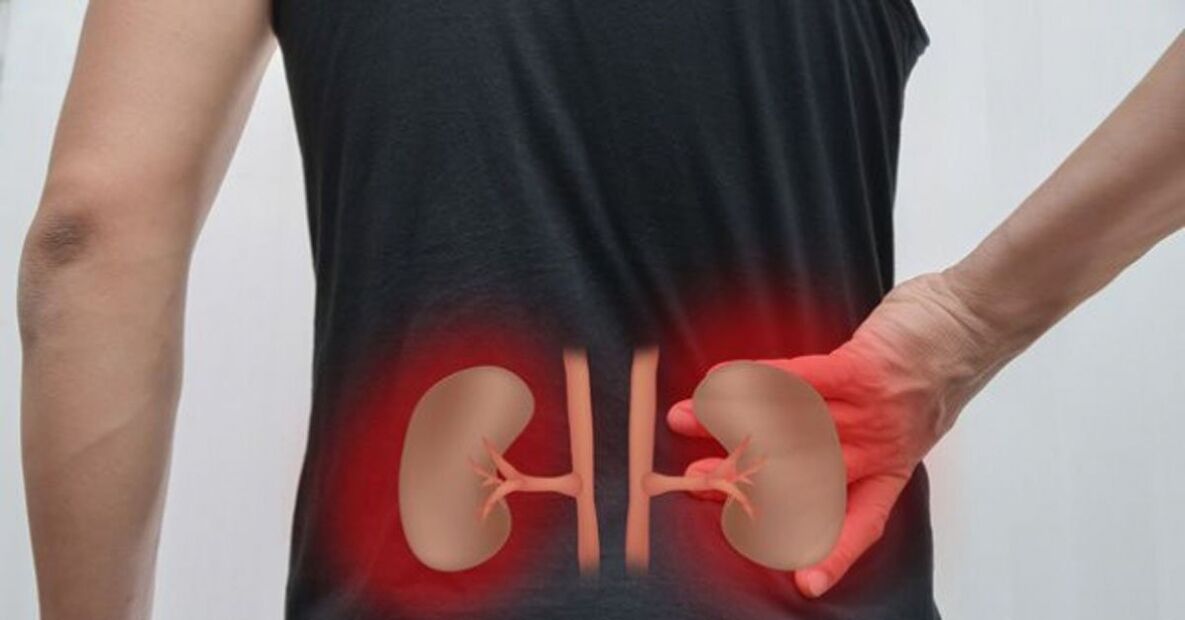
Only a qualified doctor can determine the cause of back pain.You should not delay the visit to the doctor, especially for acute inflammation of the appendix - in this case, urgent hospitalization and surgical intervention are required.
Causes of back pain
What can cause lower back pain?Modern medicine distinguishes between primary and secondary causes of back pain.In the first case, various pathologies of the spine are implied, in the second, diseases of internal organs occur.
No less important are the predisposing factors, the presence of which can provoke the development of the disease:
- A special feature of regular activity is heavy physical work, professional sports;
- Forced stay in one position for a long time - computer work, study;
- Lack of physical activity;
- Poor nutrition - consumption of large amounts of fatty and sweet foods in the absence of cereals, vegetables and dairy products;
- Abuse of tobacco and alcohol;
- Very overweight.
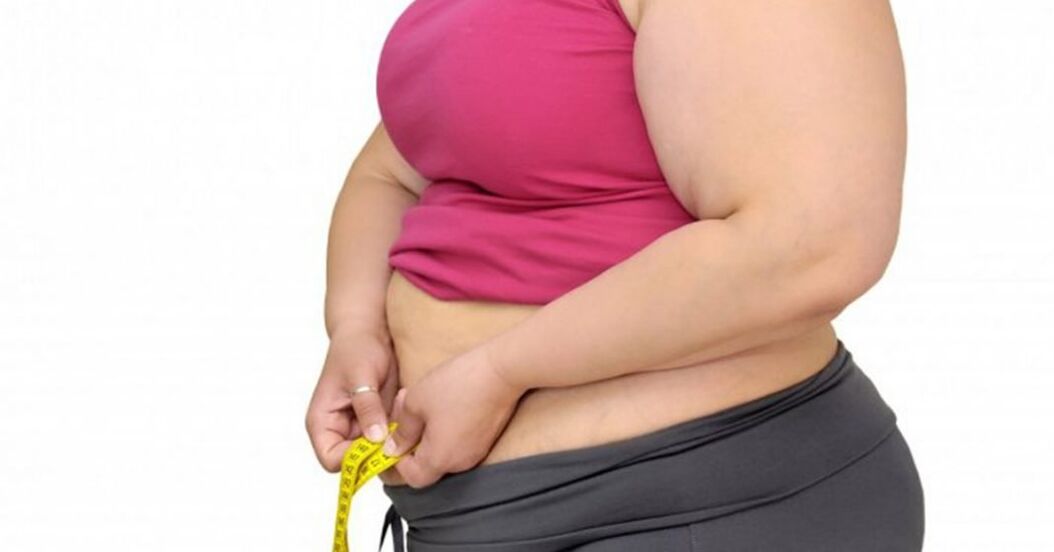
It is important to reduce or eliminate risk factors whenever possible;this will not only avoid spine problems but also improve your overall health.
The main causes of pain are pathologies of the spine.This is what the various degenerative-dystrophic processes in this part of the body are called;The following diseases belong to this category:
- Lumbar osteochondrosis- a disease associated with dystrophic changes in cartilage and intervertebral discs.The tissue structure gradually changes, this leads to compression of the nerves and constant tension in the back muscles.Against the background of osteochondrosis, hernias and protrusions develop, the pain becomes unbearable over time;
- Spondyloarthrosis- cartilage deformation, due to which they lose elasticity.Over time, the articular surfaces of the vertebrae become exposed and the joint capsules become inflamed;
- Spondylolisthesis- displacement of the vertebrae in relation to each other.Because of this, the lumen of the spinal canal changes and the spinal roots are damaged and pain appears in the lower back.
Secondary causes of pain are factors resulting from the development of pathologies of internal organs.There may be several diagnoses in this situation:
- Metabolic disorders.Due to the acute lack of vitamins and minerals, bones and joints lose elasticity and collapse;
- Malignant formations, located near the spine.Severe pain in this case is caused by metastases penetrating the intervertebral space;
- Infectious diseases- purulent cystitis, spondylitis, epiduritis;
- Curvature of the spine- scoliosis, kyphosis;
- Various injuries- vertebral fracture, sprain, displacement;
- Psychogenic disorders.Pain in this case occurs due to disturbances in brain activity (for example, after a stroke);
- Pathologies of the gastrointestinal tract- for example, intestinal obstruction;
- Diseases of the pelvic organs- inflammation of the appendages or ovaries, sexually transmitted diseases in advanced stages.
Women are probably familiar with back pain caused by physiological processes, such as menstruation.
Pregnant women also complain of discomfort - the increased load on the spine is felt by periodic pain, which intensifies as the due date approaches.
Manifestations of back pain
Lower back pain can manifest itself in different ways.Pain sensations are classified according to their severity and frequency.Painful pain for a long time is called lumbodynia.
Sudden, acute pain that occurs over a relatively short period of time is lumbago.The pain can be recurrent, occurring from time to time - for example, after a heavy physical strain or overwork.
The pain that appears in the sacrolumbar region due to mechanical stress has the following symptoms:
- It occurs more often in the afternoon, after intense exercise or other unusual physical activities.Unpleasant sensations disappear completely after proper rest.Pains of this nature are observed in middle-aged and elderly people;
- Inflammatory pains, on the contrary, appear more acutely in the first half of the day.They often diminish or disappear completely after physical activity or taking painkillers.Characteristic of young people.

The localization of the pain also depends on the structure of the existing injuries:
- Local pains in the lower back appear after damage to certain areas of the spine.Painful sensations are usually not very pronounced, they are constant and with a change in the position of the body, the pain can intensify or disappear;
- Pain resulting from inflammation of internal organs (reflex).Deep pain is constant and may radiate to the pelvic area and hip joints;
- Irritation of the nerve roots of the spine provokes pronounced pain that can spread along the periphery, up to the toes;
- Pain caused by abdominal muscle spasm (fibromyalgia) is characterized by aching, cramping pain.
If the patient feels a sharp, acute pain in the back, under no circumstances should you self-medicate and postpone a visit to the doctor.
Diagnosing
What should you do if your lower back hurts?Depending on the cause of the discomfort, the patient may need to consult one or more doctors:
- Therapist- if acute appendicitis is suspected;
- Surgeon- if you suspect existing inflammatory processes in the internal organs and intestinal obstruction.The doctor carefully palpates the abdominal cavity to detect dense and painful areas and performs a general blood test;
- Rheumatologist- for the diagnosis of ankylosing spondylitis.The doctor takes into account the specific symptoms of the disease, prescribes an X-ray or MRI and examines a general blood test;
- Neurologist- if you suspect myositis or osteochondrosis.The diagnosis is made after an ultrasound examination, a general blood test and electromyography (a method that allows you to assess the degree of muscle damage);
- Dermatological- for skin lesions caused by the penetration of pathogenic bacteria.The doctor makes a diagnosis after visual inspection of the damaged skin area and bacterial culture;
- traumatology- if there were bruises or injuries to the spine.The diagnosis is made after an ultrasound or computed tomography;
- Orthopedist- for scoliosis, kyphosis and congenital abnormalities of the spine.Diagnosis is usually made in adolescence;
- infectious diseases specialist- if brucellosis is suspected.To detect the pathogen, a general blood analysis and a bacteriological culture are performed;
- nephrologists- for the diagnosis of pyelonephritis.When establishing the diagnosis, the results of the general blood analysis, urine analysis, ultrasound and urography (examination of the kidneys, bladder and urinary tract) are taken into account.
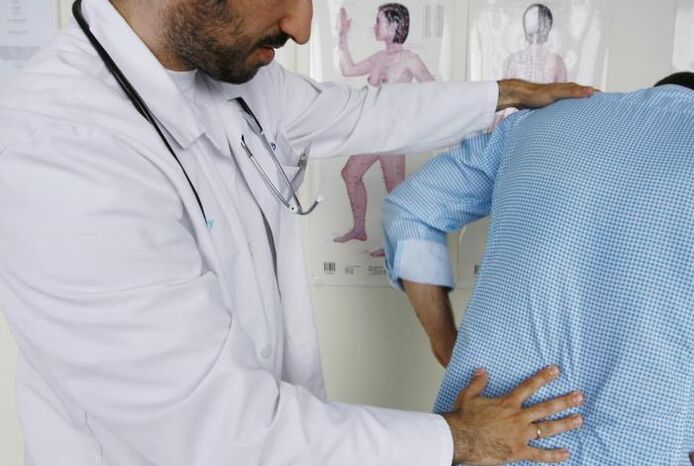
Since there are many causes of lower back pain, it can be difficult for a doctor to make a diagnosis based on a test or study.
Most often, an integrated approach is practiced, including several types of diagnostic procedures, each of which has certain requirements:
- x-ray imagesthe lumbar spine should be made in direct and lateral projections.In rare cases, examination in the prone position may be necessary;
- Computed tomography methodit is considered more effective because it allows you to see existing hernias and spinal injuries.This study is rarely performed because the patient receives a large dose of x-ray radiation;
- MRI(magnetic resonance imaging) accurately shows the condition of intervertebral discs, processes and articular tissue.It is performed together with the doctor's examination and other diagnostic procedures;
- Radioisotope scanningperformed to detect malignant tumors.The method involves introducing a radioisotopic substance into the blood.After some time, the substance is localized in the tumor area, the focus is detected using a special scanner;
- Densitometry- allows you to detect changes in the bone tissue of the spine, indicating the presence of osteoporosis at an early stage;
- General blood testperformed to diagnose inflammatory processes that provoke pain in the lower back.With its help, a number of serious diseases can be identified at the right time.
Modern diagnostic methods allow you to quickly and accurately determine the cause of back pain.
It is important to describe to the doctor in detail and correctly the existing symptoms of the disease, not forgetting to mention the existing injuries, congenital pathologies and previous diseases (if any).
Treatment
Back pain in the lumbar region - how to treat?If discomfort occurs after a bruise or sprain, cold will help relieve the condition.This will not only reduce pain but also prevent swelling.
It is also recommended to minimize the load on the spine and take any of the available pain medications.If you suspect a serious injury - a fracture or sprain - you should immediately call an ambulance.
Drug treatment

Severe pain in the lumbar region requires the use of medications and therapeutic exercises.Medicines are administered in several ways:
- Subcutaneous injections (injections in the places where the pain is localized);
- Taking drugs in the form of tablets;
- Rubbing ointments, gels and soothing solutions on the skin.
Treatment should be supplemented with gymnastics (if the pain is not accompanied by injuries) and diagnosis of the disease that caused the back pain.
Physiotherapy treatment
This treatment is prescribed after the pain has been relieved with medication.Physiotherapy procedures activate tissue metabolism, accelerate tissue regeneration and stop further destruction of bones and joint tissue.
The list of procedures is as follows:
- Electrophoresis.It provides rapid delivery of the medicinal solution to the areas of pain.The procedure looks like this: cotton pads soaked in a medicine solution are applied to the lower back.At the top are fixed special plates that emit electric current discharges.Under the influence of impulses, the solution penetrates the area of inflammation;
- Ultrasound treatment.Sound waves of a special range stimulate blood circulation in the sacrolumbar region.Damaged areas receive maximum nutrients and molecular oxygen.The result of the procedures is the increase in metabolism and the relief of the patient's condition;
- Laser therapy.This method is used to treat destructive changes in the spine.Infrared radiation activates the blood supply to cartilage and joints, promotes the removal of waste and toxins from the body;
- Magnetotherapy.Under the influence of magnetic waves, blood circulation is stimulated in the damaged areas of the spine, pain decreases or disappears completely.
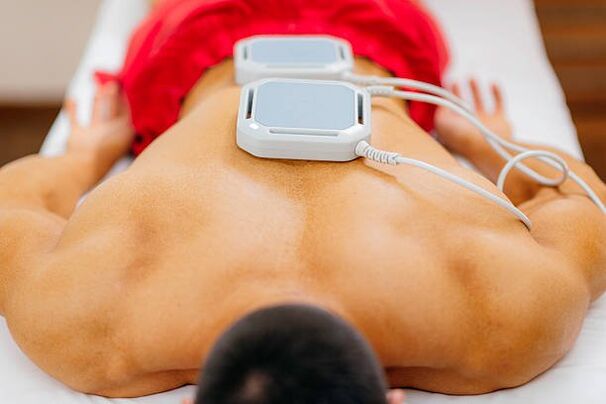
Physiotherapy will be effective only in combination with drug treatment, so the procedures must be agreed with the attending physician.
Traditional methods of treatment
To get rid of pain in the lower back, traditional doctors offer many recipes based on medicinal herbs.You can often find recommendations to increase the volume of liquids you drink - all kinds of decoctions help remove waste and toxins from the body that are formed as a result of inflammatory processes.
Many medicinal herbs contain biologically active substances that have anti-inflammatory, analgesic and antiseptic effects.
Medicinal decoctions, compresses and ointments can be used to relieve back pain.Here are some popular recipes:
- Pour boiling water over blackberry leaves, marigold flowers and St. John's wort in equal proportions and leave for half an hour.Drink the infusion throughout the day in small portions;
- Dried rose hips, juniper and blueberries (a small handful of each type of berry) are placed in a thermos and filled with boiling water.Take half a glass half an hour before meals;
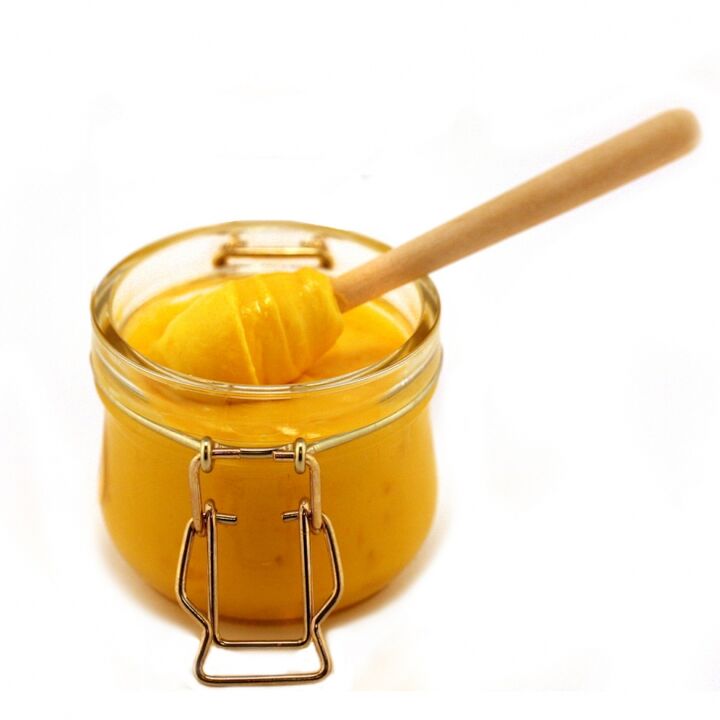
- Dissolve 2 tablespoons of pharmaceutical alcohol and 100 grams of petroleum jelly in one hundred grams of honey, use it as a compress before going to bed.
It is important to remember that treatment with traditional methods is only suitable for minor back pain.Inflammatory processes associated with acute pain require treatment in a hospital setting.
A set of treatment measures is described individually;the doctor chooses the optimal treatment strategy depending on the cause of the lower back pain, the existing symptoms and the age of the patient.
Preventing
No one is immune from back pain.It is completely impossible to avoid the natural wear and tear of bones and joints.However, it is quite possible to avoid serious problems with the spine;just follow some simple rules:
- Do not neglect physical activity - walking and swimming, exercises for strengthening the back and abdominal cavity;
- If possible, avoid excessive stress on the spine - do not lift very heavy objects, do not move furniture yourself, etc.;
- Monitor your body weight.Excess weight contributes to the destruction of joint and bone tissue;
- Try to walk and sit straight.Good posture will alleviate many problems with the spine and prevent the formation of hernias and protrusions.
These simple rules will help not only to maintain the health of the spine, but also to improve your general well-being.Any symptoms of diseases related to the spine - pain, stiffness, tension - cannot be ignored.
Timely and competent treatment will help to avoid serious complications in the future.